
Torrent privacy isn't static. In 2025 and beyond, users will juggle performance, convenience, and compliance while networks grow smarter and content delivery edges closer to the user. This article looks ahead—what remains effective (VPNs, SOCKS5), what's changing (inspection and blocking), and what's emerging (decentralized relays, programmable privacy layers). You'll find realistic projections, comparison tables, and takeaways you can apply whether you're running a desktop client, a seedbox, or a headless NAS.
Where we are now: VPNs and SOCKS5 still matter
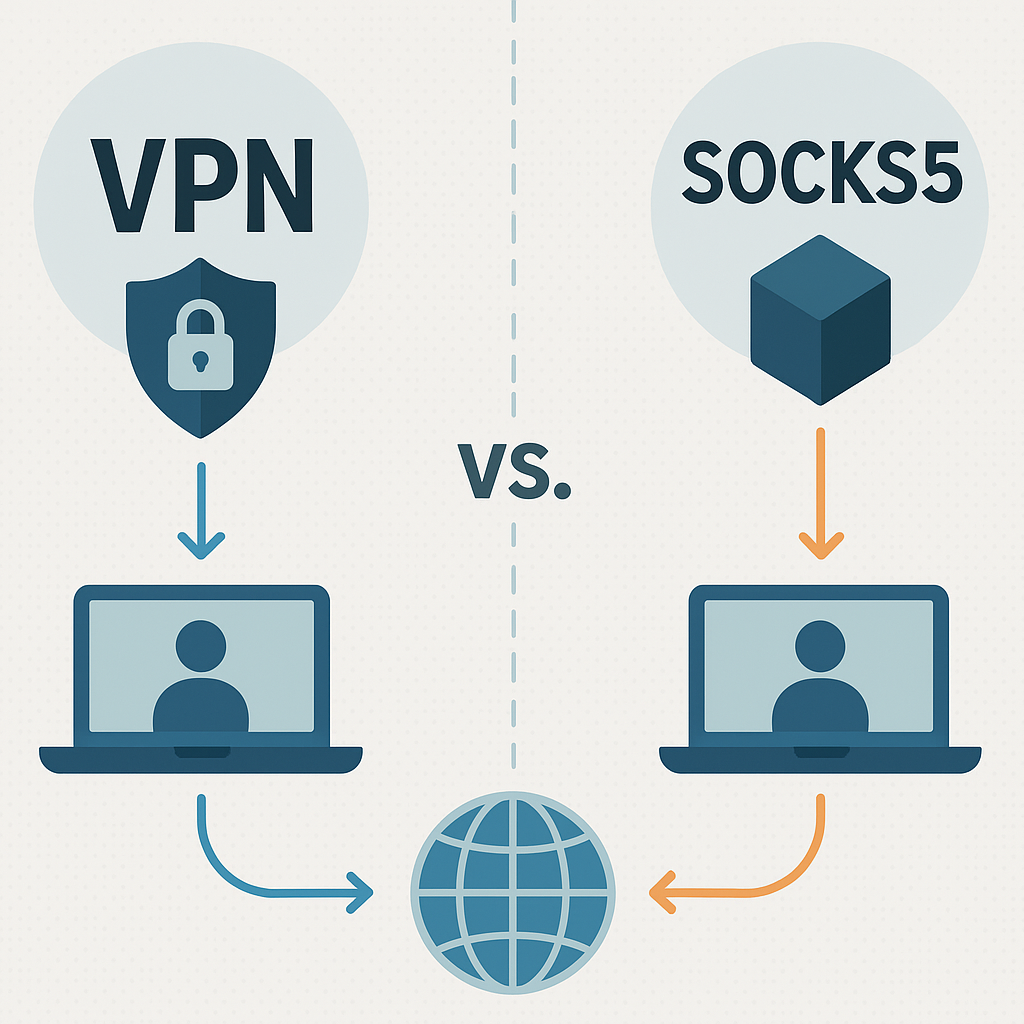
VPNs remain the baseline privacy layer for torrent users because they provide a single, encrypted egress path that is easier to reason about. SOCKS5 proxies, meanwhile, are efficient and flexible: they don't encrypt by default, but many users combine them with system- or app-level encryption, or use SOCKS5 primarily to isolate the app-route and simplify firewall rules.
- VPNs: Simple mental model, full-tunnel or split-tunnel options, easy to bind and firewall.
- SOCKS5: Lightweight, per-app routing, good for headless or containerized setups, often paired with TLS or a VPN for confidentiality.
Forces that will reshape torrent privacy
Three macro forces drive the evolution of torrent privacy in the next few years:
- Edge intelligence: ISPs, CDNs, and campus/corporate networks are steadily improving traffic classification. Even without payload decryption, behavioral signals (timing, ports, packet sizes) can flag certain flows.
- Endpoint portability: More users run torrents on NAS devices, containers, and cloud-like seedboxes with web UIs—raising the bar for secure authentication and least-privilege network design.
- Policy pressure: Takedowns, DNS measures, and selective blocking continue regionally. The practical effect is intermittent friction that users must route around without triggering leaks.
2025–2028 projections: what's likely to change
These projections are directional—use them to guide choices that age well:
| Area | Projection | What to do about it |
|---|---|---|
| Traffic classification | More edge-side heuristics; pattern-based throttling or disruptions | Prefer stable ports; keep encryption on; consider traffic-shaping to avoid signature spikes |
| DNS measures | Region-specific resolver policies and short-lived blocks | Use a resolver you trust; verify after restarts; maintain alternative name-resolution paths |
| Client defaults | Safer defaults for interface binding, DHT/PEX rules, and startup checks | Audit your client after upgrades; ensure binding and firewall still align |
| Seedboxes & headless | Greater adoption; more web UIs; more reverse proxies | Lock down auth; IP allowlists; rate limits; TLS; don't expose UIs openly |
| Decentralized relays | Early, practical options will appear (mesh/relay networks, programmable egress) | Evaluate on small torrents first; inspect logs, routes, and failure modes |
VPNs vs SOCKS5 vs decentralized relays: practical comparison
| Layer | Strengths | Trade-offs | Best fit |
|---|---|---|---|
| VPN | Simple model; full-tunnel option; easy to firewall | All-or-nothing; split tunneling must be managed | Desktops and laptops where you want one trusted pipe |
| SOCKS5 | Per-app routing; lightweight; container- and seedbox-friendly | No native encryption; pair with TLS or OS/VPN encryption | Headless, NAS, or multi-service hosts with granular policy |
| Decentralized relays | Path diversity; resilience; potentially community-governed | Early-stage UX; variable reliability; needs careful routing | Power users who can test and validate new routing layers |
Decentralized and programmable privacy: what it might look like
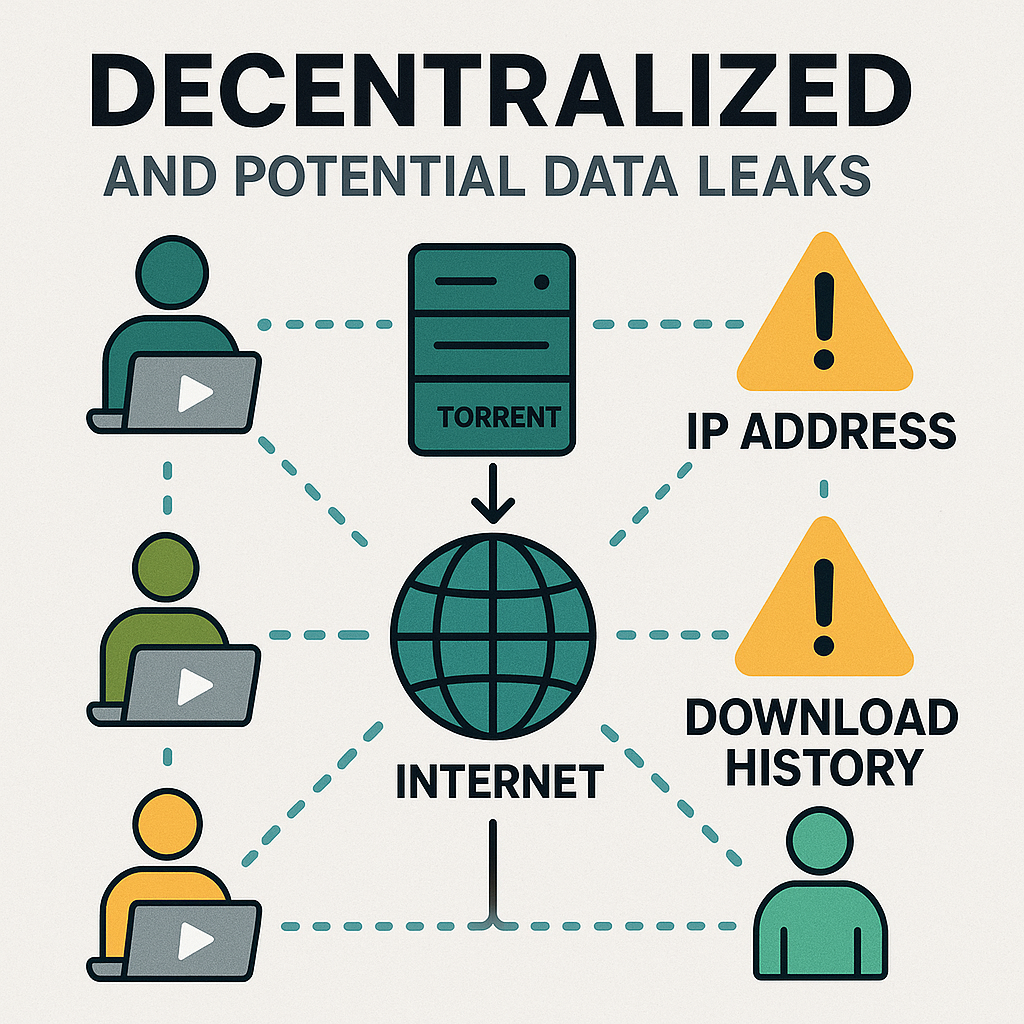
Imagine a privacy layer that feels like a VPN from your torrent client's perspective, but under the hood uses programmable relays. A controller chooses egress nodes based on live conditions (latency, reputation, geography) and policy (no open UI exposure, DHT scope rules, deny if DNS flips). A user might pin a region, cap latency, and assert that any adapter change halts the client until checks pass.
Operational hygiene that will still matter in 2028
- Bind or route explicitly: Whether VPN, SOCKS5, or a mesh relay, keep the torrent client tied to a known, trusted path.
- Deny-by-default outside the path: Use firewall rules so that if the trusted adapter is down, traffic fails closed.
- Harden the Web UI: Strong auth, non-default ports, IP allowlists, and reverse proxy controls—no open exposure.
- DNS consistency: Guard against resolver changes after reboots or adapter swaps; decide your IPv6 policy explicitly.
- Startup discipline: Avoid racing the network stack on boot; delay the client until the trusted route is confirmed up.
Quick scenario playbook (2025–2028)
- Home desktop: Full-tunnel VPN or interface-bound SOCKS5 + firewall deny outside path; browser profile with WebRTC controls.
- NAS / headless: SOCKS5 or VPN per container, reverse-proxied Web UI with allowlists; rate-limit and audit logs.
- Seedbox: Treat as production: SSH keys, no password logins, UI behind a proxy with 2FA if available, regular config audits.
- Power user (experimental): Trial a decentralized relay on a subset of torrents; add watchdog scripts to halt on DNS/adapter changes.
Key takeaways
- VPNs and SOCKS5 remain foundational; the winning setups are consistent more than they are exotic.
- Edge intelligence and policy pressure mean timing and hygiene matter: bind, firewall, and verify DNS/IPv6.
- Decentralized, programmable privacy layers will emerge—evaluate them carefully and fail closed on change.
FAQ
Will VPNs become obsolete?
No. VPNs' simplicity and firewall-friendliness keep them relevant. What changes is how clients and networks coordinate around them.
Is SOCKS5 enough on its own?
SOCKS5 is routing, not encryption. Pair it with system/app encryption or a VPN; treat it as a precise way to constrain egress.
How would decentralized relays help?
Path diversity and policy-aware routing can add resilience, but reliability and UX must catch up. Test on small workloads first.